Stop the Guesswork: The 2026 Retail Planning Checklist

As the consumer journey becomes increasingly complex, retail marketers are struggling to reconcile high expectations for seamless service with the need to prove tangible return on investment (ROI). The traditional planning model, which relies on broad national assumptions, is no longer sustainable.

If your 2026 plan still starts with ‘target audience’ instead of ‘target context,’ it’s already outdated.

Mastering next year requires a strategic pivot to granular, localized intelligence that unifies planning and activation. This 10-point planning checklist provides the essential, actionable mandate for retail marketers to eliminate guesswork, achieve true cross-channel harmony, and ensure every dollar spent drives demonstrable business outcomes.

1. Ditch the “One-Size-Fits-All” Model

Retail marketers often overlook critical differences in local consumer behavior, resulting in wasted ad spend and ineffective campaigns. Applying a one-size-fits-all approach ignores the reality that consumer preferences, brand affinity, competition, and mobility patterns vary dramatically across regions, even between neighborhoods. 

This lack of nuance is costly. Analysts estimate that up to 37% of ad spend is wasted, largely because campaigns lack the granular, contextual insights that reflect real shopping patterns. These generic, non-contextual campaigns lead to low consumer attention, a direct symptom of poor planning.

To succeed in 2026, embracing a localized strategy is non-negotiable for ensuring your campaigns resonate with the right consumers, in the right moment, in the right place.
2. Treat Every Location as Its Own Unique Market

For your 2026 plan to be effective, every region must be treated as a unique, nuanced environment. Your brand’s strategic mission in a market where you are a leader is vastly different from a market where you are a challenger. This shift demands localized intelligence.

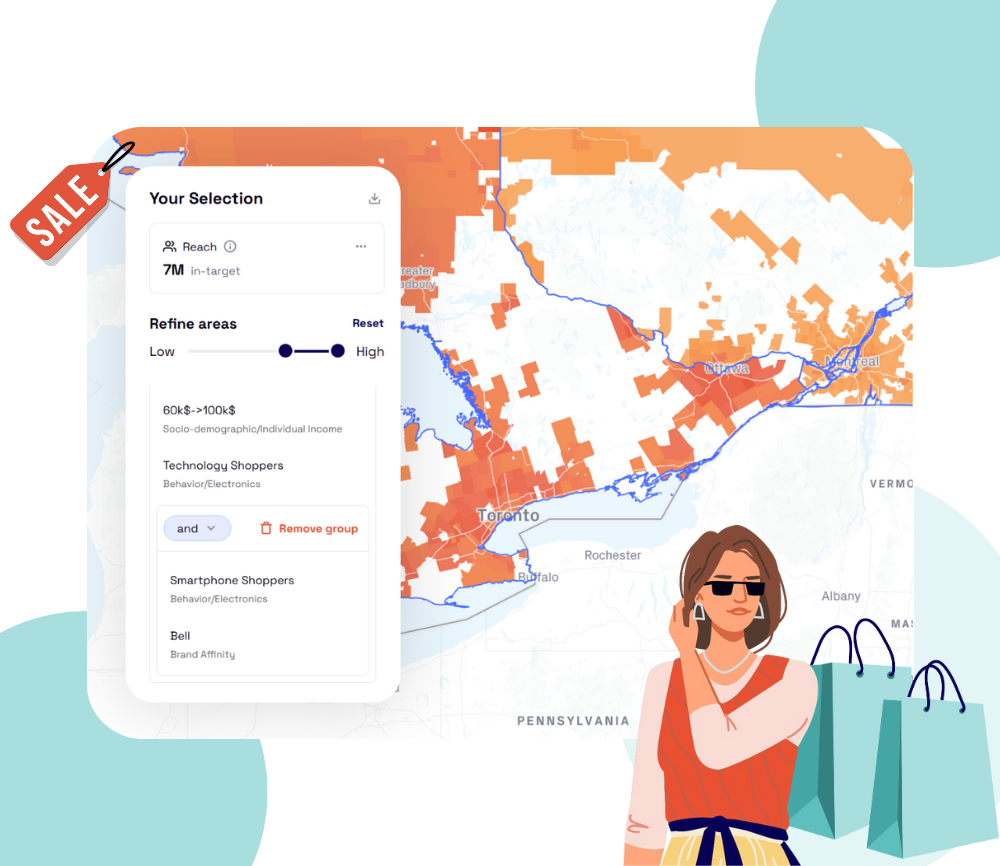
Relevance is everything, starting with understanding where your audience is and how that context shapes their behavior. Locala’s localized approach ensures campaigns are more relevant and impactful, driving better engagement and stronger ROI. The Locala Planning platform empowers marketers to fine-tune strategies using real-world consumer insights—mobility, brand affinity, intent, and sociodemographic data—making it easier to reach the right audience in the right place at the right time.

3. Bridge the Gap Between Online and Offline Brand Engagement Data

Our recent study with eMarketer proved what many marketers feel daily: the modern consumer journey is fluid. 71% of consumers find products online and buy in-store while 68% do the reverse. They expect seamless, cross-channel experiences as they move between online devices and physical stores. To meet this demand, your media strategy cannot rely on siloed insights.

Locala bridges this critical gap with Omni Planner, a solution built to help marketers create smarter, locally relevant campaigns with ease. The platform combines digital and real-world engagement signals to map local omnichannel dynamics, giving you a complete, unified view of shopper behavior.
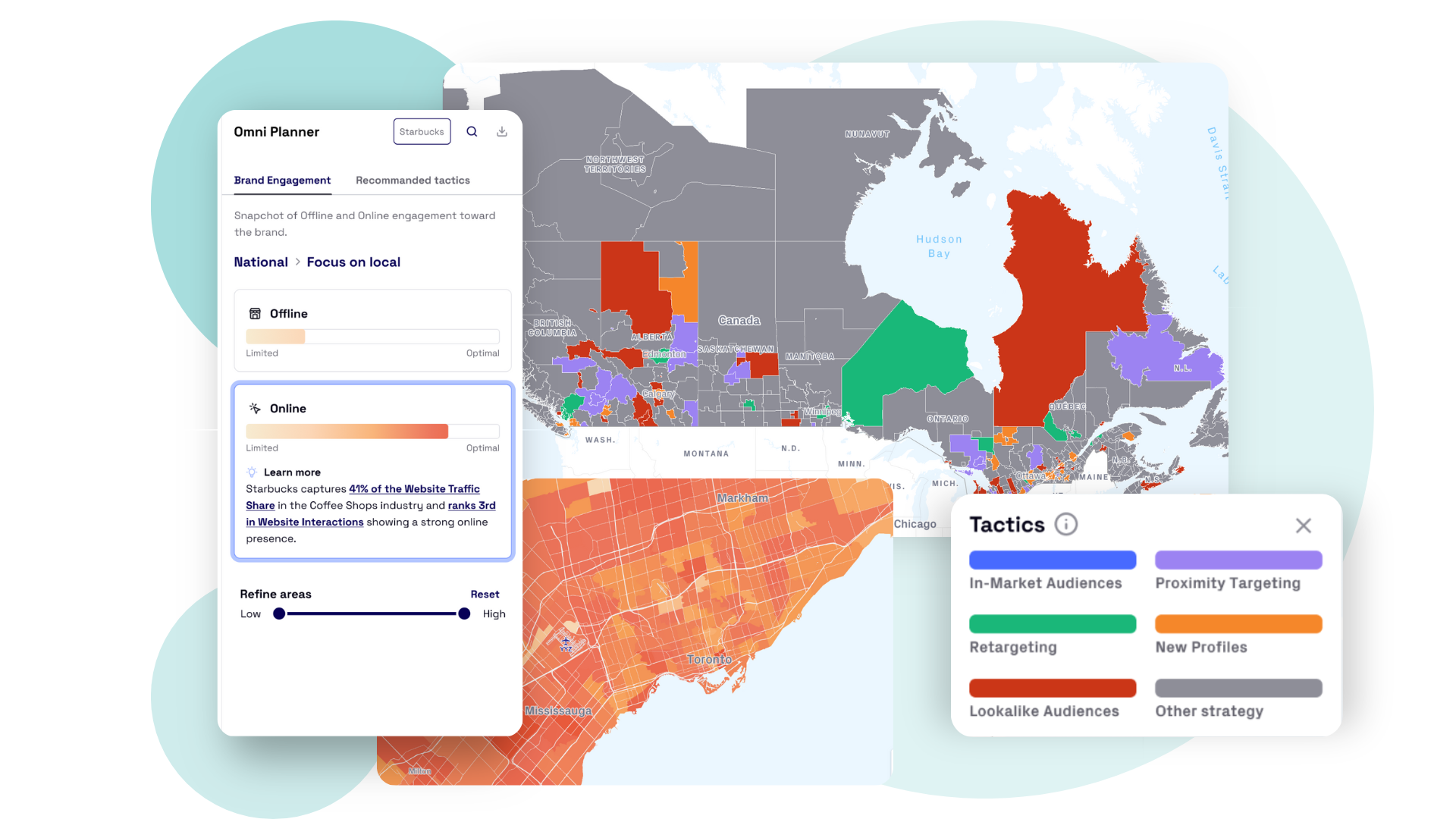
By measuring the interplay between your online activity (Awareness and Engagement) and your offline performance (local foot traffic and Preference), Omni Planner provides actionable intelligence. This empowers you to generate insight-led media strategies that drive impact at the market level, eliminating disconnected tools and manual planning.

4. Benchmark Against Competitors in Every Market

Seeing your own brand performance is useless without competitive context. To truly win in 2026, you must benchmark your online and offline health against your true local competitors, not just your national rivals.
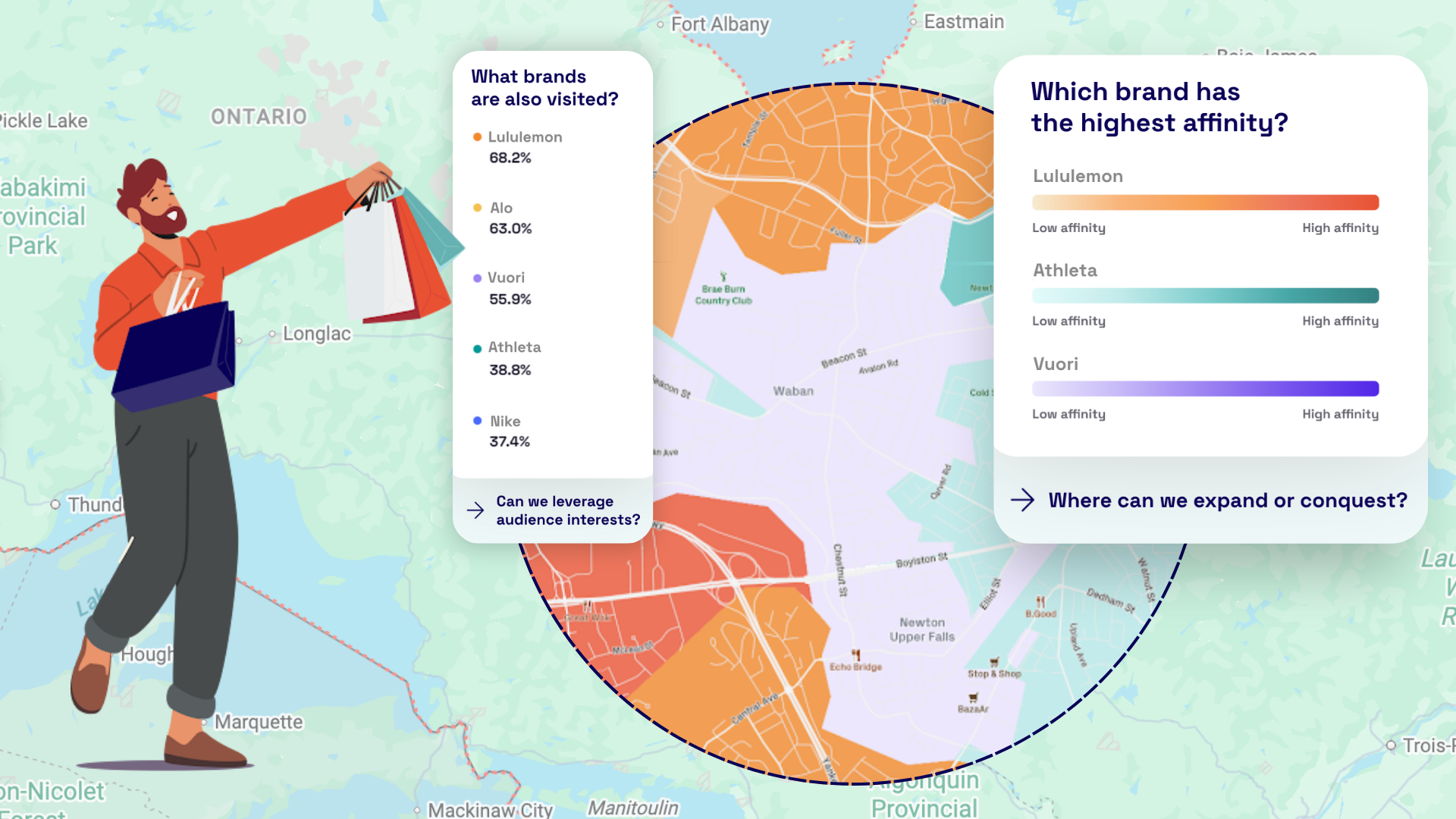
Locala solves this by bridging competitive signals across online engagement and in-store foot traffic, leveraging Cross-Visitation insights to analyze shopper behavior. This granular view reveals “at-risk” zones where you may be losing share, and translates those signals into actionable, local media strategies. For instance, if a competitor is gaining ground in Toronto, the platform guides you to run a precise conquest strategy tailored to the needs of that area. This deep insight makes it simple to optimize your targeting market-by-market for greater national success.

5. Choose the Right Media Mix for Your Audience

Different channels perform better in different environments, making media mix optimization essential for driving local business outcomes. Instead of spreading your budget evenly, your 2026 plan must allocate spend based on localized performance and opportunity.

Locala ensures brands maximize engagement by optimizing campaigns based on media receptivity. This predictive insight identifies the most impactful channels—whether it’s display, DOOH, audio, or CTV—in each specific market. By tailoring your strategies to the channels consumers are most receptive to, you reach audiences more effectively and efficiently, ensuring every dollar is invested where the impact is highest.

6. Master Cross-Channel Harmony

Today’s consumer interacts with brands across mobile, desktop, DOOH, social, and CTV. If your campaigns lack a unified strategy, you risk inconsistent messaging, confusing your audience, and missing opportunities to engage.

Activation must be about cross-channel harmony, not just multi-channel presence. Locala specializes in propelling campaign performance by crafting personalized, immersive experiences using omnichannel creatives. We connect with consumers at the most impactful moments—whether they are on the move or engaging with digital content—ensuring the right message is delivered at the right time through the right channels to maximize attention and drive results.

7. Combine DOOH with Mobile for Maximum Impact.

Did you know that combining DOOH with mobile can increase brand recall by 2x and deliver a 303% increase in reach? This approach blends the high-impact reach of Digital Out-of-Home with the precision and measurement of mobile advertising to maximize conversions.
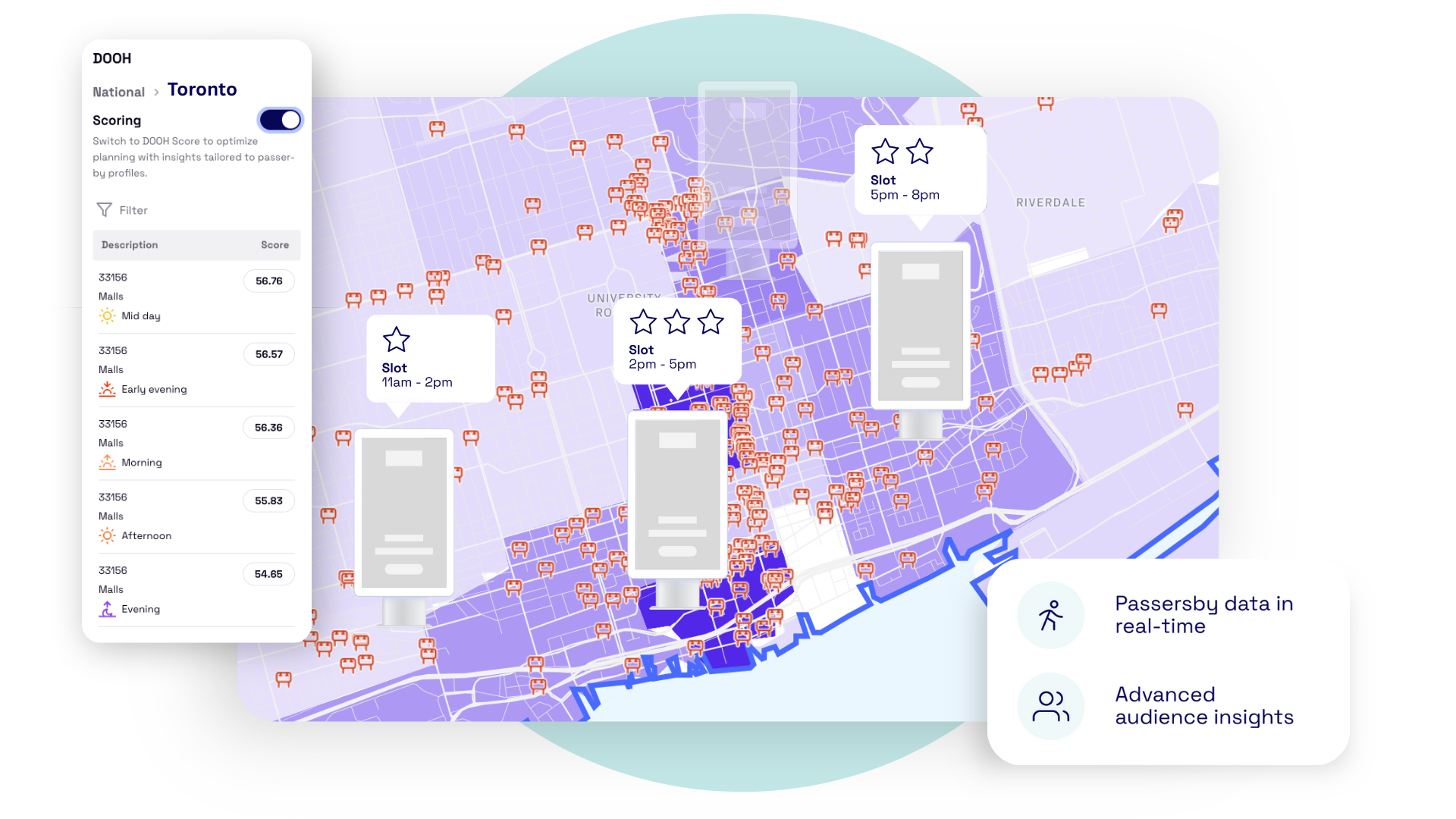
To ensure success, predictive planning is essential. With DOOH Scoring, you can predict exactly where your ads will make the biggest impact before you launch. Locala uses real-time passerby data and advanced audience insights to optimize placements, eliminating wasted spend and ensuring your message reaches the right person at the right time.

8. Align Creative Strategy Directly with Business KPIs.

The goal of your campaign must be reflected in every creative element. When the call-to-action (CTA) is misaligned—such as directing users to a website when the KPI is driving store visits—it creates confusion, hinders conversion, and wastes resources.

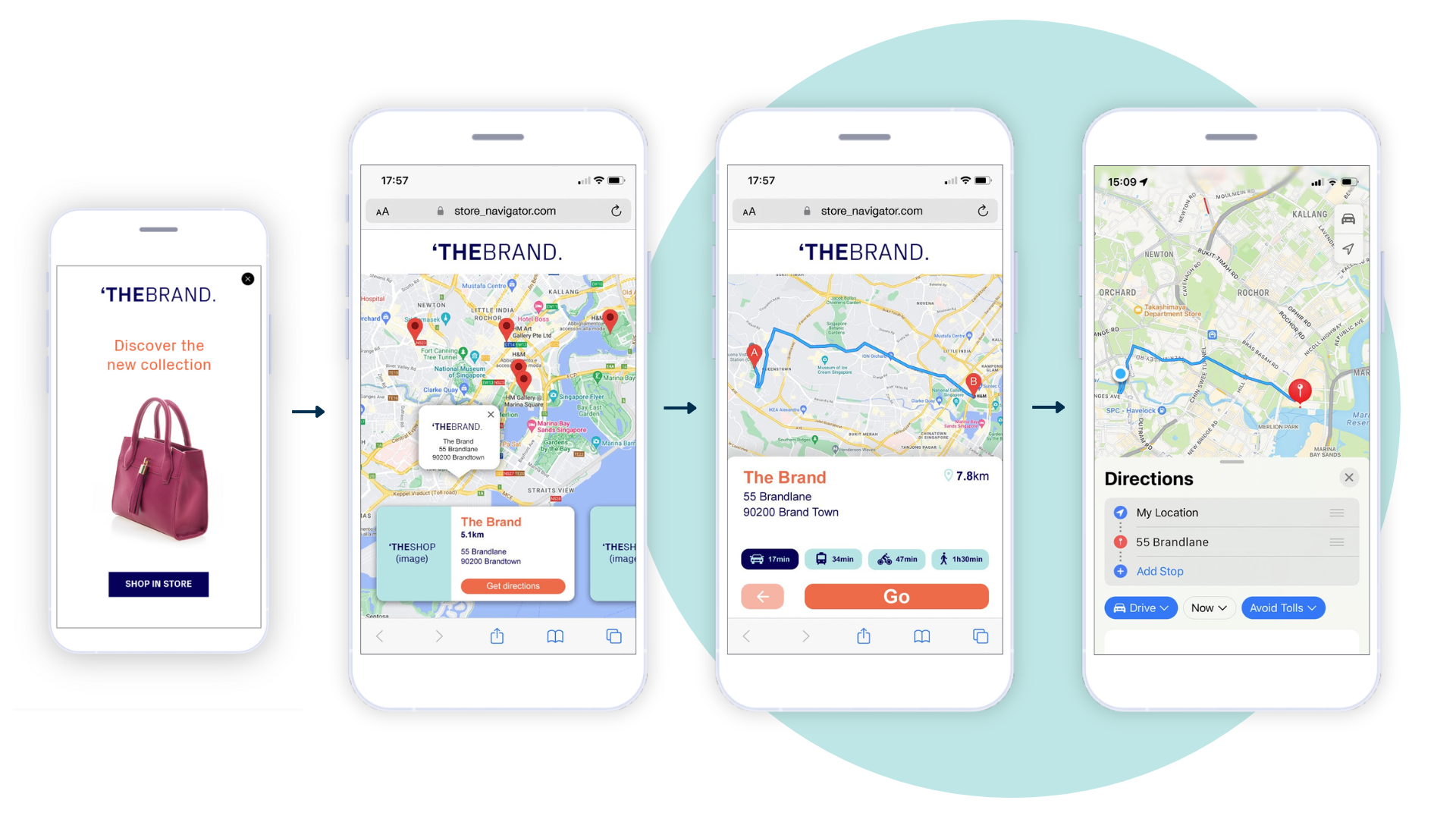
Prior to launch, clearly define the KPI and ensure creative guides consumers to the desired outcome. For example, if driving store visits is the goal, leverage formats like The Store Navigator to provide seamless, personalized directions to the nearest location. If boosting engagement is the KPI, formats like the Coupon Downloader can deliver personalized promotions to drive immediate action and loyalty.
9. Focus on Business Outcomes, Not Vanity Metrics

Traditional metrics like impressions and clicks, without context, often misrepresent campaign success and lead to wasted budgets. To succeed in 2026, marketers must move beyond vanity metrics and demand answers to critical business questions: How many visits did my campaign drive? and What was my Cost Per Visit (CPV)?

Locala’s advanced measurement and AI-driven insights provide a clear understanding of campaign impact. Instead of focusing solely on impressions, we prioritize efficiency by tracking real-world metrics like Foot Traffic Measurement and Sales Lift Analysis. By optimizing toward CPV, Locala ensures ad spend is directly tied to measurable consumer action and meaningful business success.

10. Close the Loop: Report and Learn in Every Market

Measurement is useless if it doesn’t inform the future. Marketers must shift from simple media reports to a true learning loop that continuously optimizes the next planning cycle.

Locala ensures this happens by providing granular attribution and omnichannel reporting that ties business outcomes directly back to the local area where campaigns ran. These consumer learnings and real-time insights allow brands to understand the precise impact of their marketing dollars, ensuring campaigns are continuously optimized and future activations are designed for maximum success.

The 2026 Mandate: From Checklist to Competitive Edge

The mandate for 2026 is clear: success hinges on unifying data, embracing predictive planning, and demanding granular attribution tied to local outcomes. By adopting this 10-point checklist, retail marketers move beyond siloed planning and guesswork, positioning themselves to capture local market share and maximize efficiency. These foundational steps also prepare brands for the emerging Agentic era of advertising, where AI-driven campaign automation will rely on the clean, unified data platforms provide.

Getting Started

At Locala, we help brands switch from generic targeting to context-driven media strategies, built on real signals and adapted to local dynamics.

  • If you’re ready for your media to reflect your brand’s ambition in every local context
  • If you want to know where and how to grow, not just who to reach
  • If you’re done running the same campaign everywhere…

Request a demo today to discover how Locala’s unified planning platform can help your teams plan smarter, activate with precision, and continuously optimize campaigns for maximum measurable impact.
Key Trends Shaping the 2026 Canadian Retail Landscape

Canadian retail is at a decisive turning point. Facing a challenging economy, marketers are navigating a year of tough trade-offs and bold innovation. The winners in 2026 will be those who strike the proper balance between AI-powered personalization, long-term engagement, and profitability.

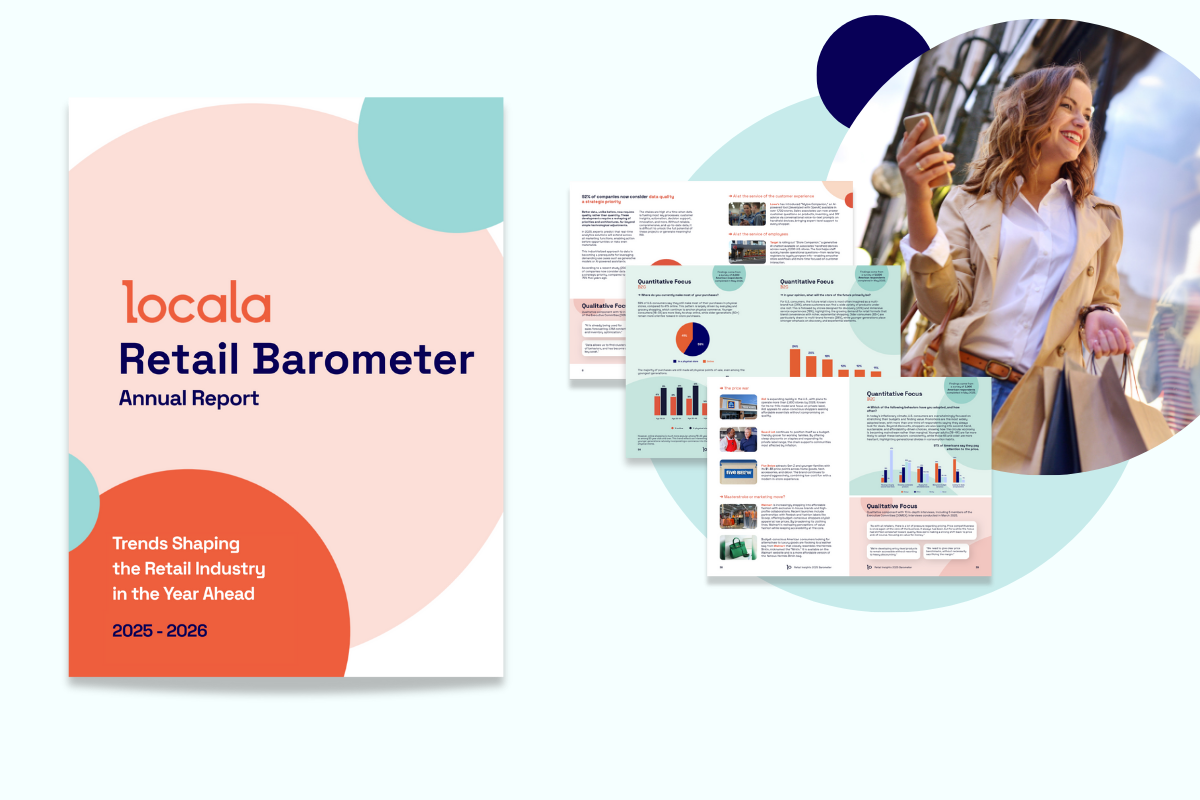
But you can’t build this strategy on assumptions. To find out what’s really driving the market, we surveyed 1,000 Canadian shoppers to power our 2025-2026 Canadian Retail Barometer, a definitive analysis of what’s shaping the year ahead for retail in Canada. 

The report dives deep into 14 key trends, but we’re breaking down four of the most critical takeaways for marketers right here:

  • The expansion of omnichannel strategies.
  • The rise of ‘phygital’ experiences.
  • The new reality of AI-driven hyper-personalization.
  • The strategic shift to hyperlocal commerce.

Here’s a closer look at each of these critical trends and, more importantly, what they mean for your advertising strategy in the year ahead.

1. Omnichannel Strategies Expand

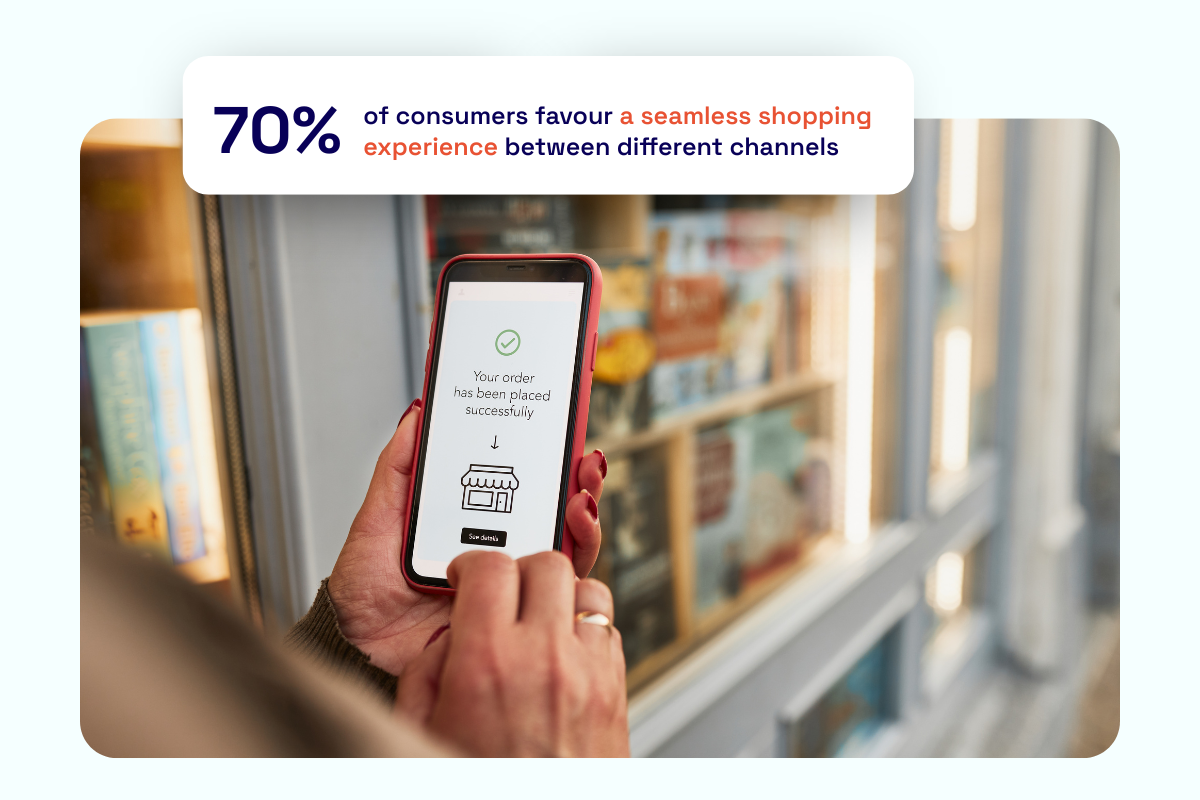
Shopping is now fully omnichannel. The distinction between “online” and “offline” no longer exists in the consumer’s mind. Our new data confirms this, revealing that 70% of consumers favor a seamless shopping experience between a brand’s different channels. To meet these high expectations, brands have no choice but to adopt a unified omnichannel approach—one that connects their online store and in-store experience into a single, consistent journey.

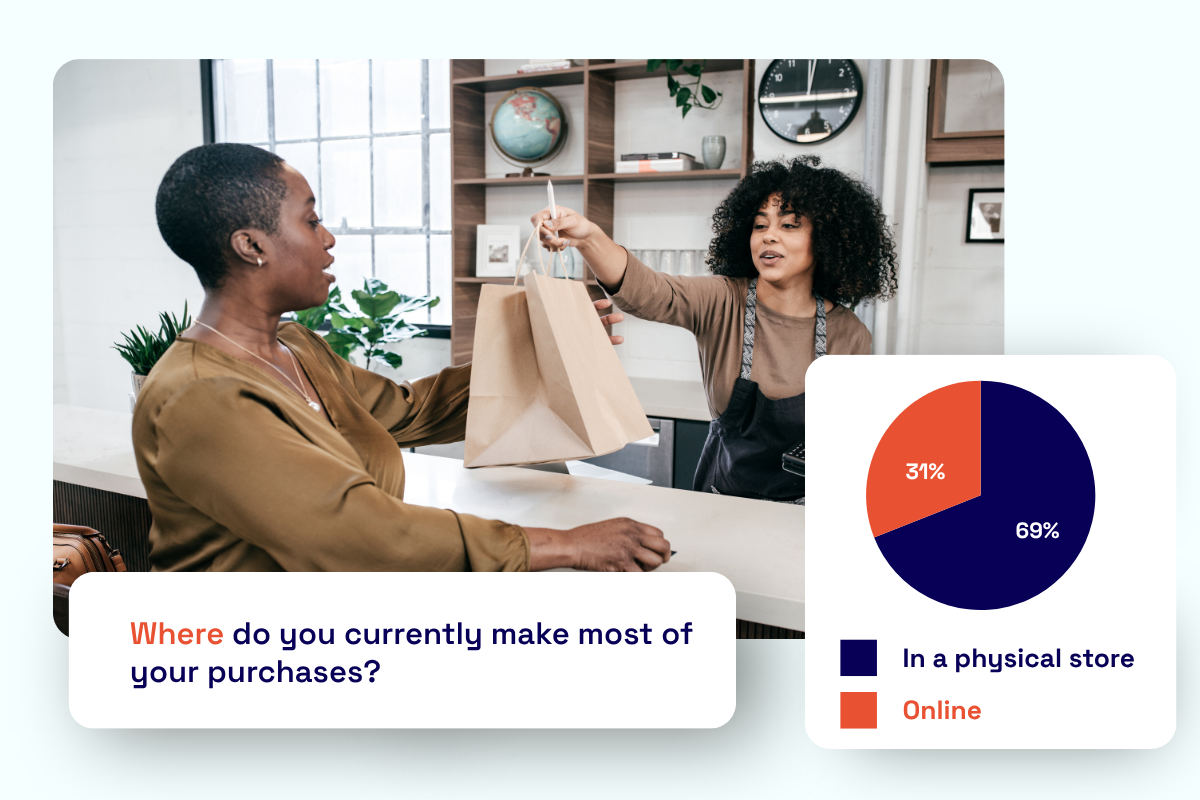
Text graphic stating '70% of consumers favour a seamless shopping experience between different channels' over a photo of a person holding a phone with an order confirmation.

For marketers, this means the future of media is not about chasing the cheapest impression. It’s about aligning with how people actually shop. This fragmented customer journey requires a new strategy built for an omnichannel, mobile, and local reality. The brands that adapt their advertising to connect these dots will be the ones that thrive.

2. Phygital, the best of both worlds

The walls between online and in-store shopping are gone. Our survey data shows this clearly: while 69% of Canadians still shop primarily in physical stores, 72% are using their smartphones while in-store to check reviews or find offers. This fading line between physical and digital retail is the new ‘phygital’ reality. Brands are using experiences like in-store QR codes and AR to deliver frictionless journeys, which can boost loyalty by 30%. This intelligent integration, letting a customer order online and pick up in-store, for example, is what reduces friction and speeds up conversion.

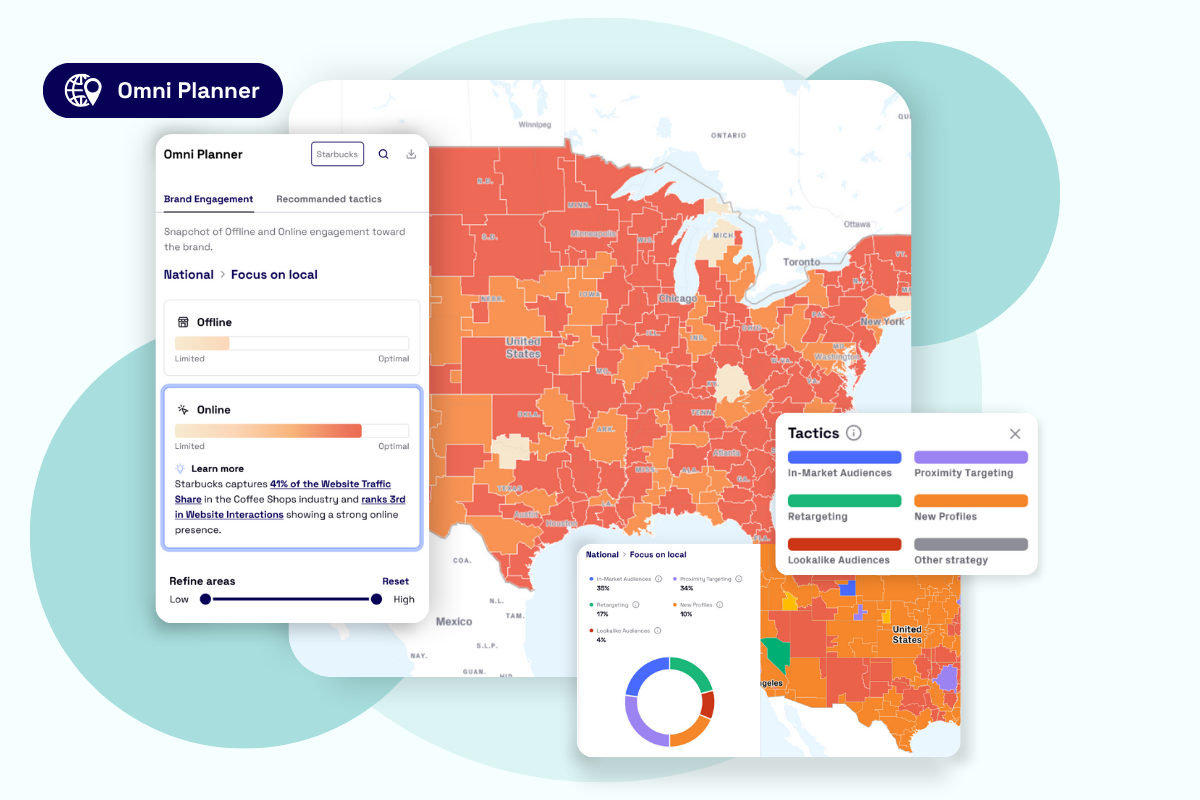
For advertisers, this means a siloed strategy is no longer an option. You need a unified view of your customer, both online and off. This is precisely why Locala created the Omni Planner, a new layer inside our planning tool. It was built to reflect how people actually shop, unifying online signals with offline outcomes on the same canvas. It gives you a complete view of these fluid journeys by providing:

  • A unified view of online and offline engagement data to drive clear, cross-environment insights.
  • Competitive benchmarks that reveal how performance stacks up across digital and real-world environments.
  • Localized, scalable media plans without the hassle of manual market-by-market planning.

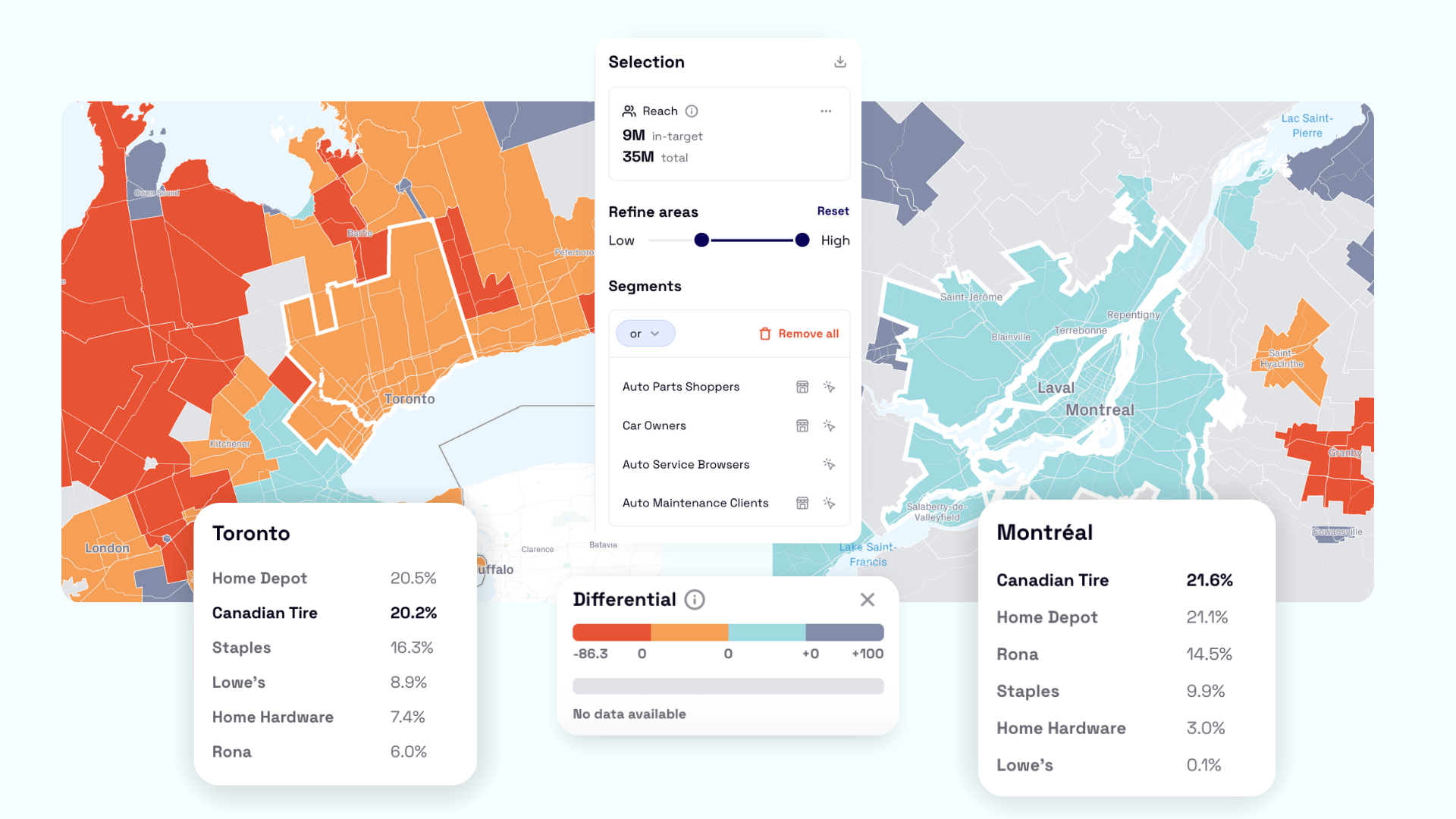
Screenshot of the Locala Omni Planner tool showing a heat map of Montreal, with interface panels for brand engagement, audience segments, and location scoring.

3. Hyper-personalization Becomes Reality

Today’s Canadian shoppers don’t just appreciate personalized experiences—they now expect them. 62% of Canadians are more likely to buy from brands that personalize their experiences. Thanks to machine learning and smart planning tools, brands now have the ability to finely decode each consumer’s expectations, behaviors, and preferences in real-time. The impact is significant, with AI-driven personalization proven to increase conversion rates by 20% to 30%.

Pie chart showing 62% of consumers are more likely to buy from brands that personalize their experience, and 38% are not.

This capability fundamentally changes the brand-consumer relationship. Successful brands no longer just interact with their audiences; they integrate into their daily lives. This deep, real-time understanding nurtures loyalty because the customer feels recognized, understood, and valued. For advertisers, this means using these tools to ensure that whether a customer is shopping online or in-store, their experience is seamless, contextualized, and consistent.

4. The Shift to Hyperlocal Commerce

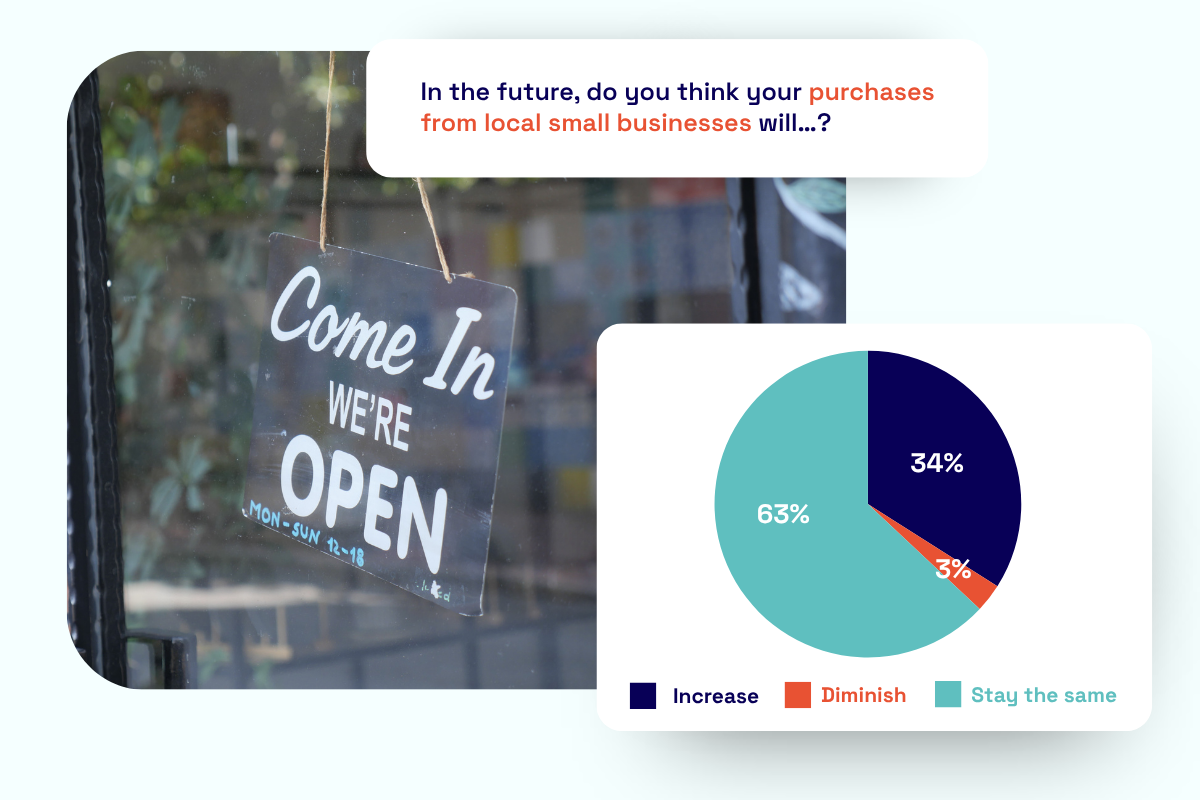
Finally, all of these trends must be executed at the local level. Our survey found that 34% of Canadians plan to buy more local products in the future, confirming a powerful shift towards hyperlocal, values-driven retail. This trend means a national campaign with a single, generic message is no longer effective. Winning in Canada means winning market-by-market.

Image showing an 'Open' sign on a small business storefront, alongside a pie chart indicating 34% of consumers expect their purchases from local small businesses to increase in the future.

For advertisers, this shift requires a new level of relevance. Instead of broad, national campaigns, brands must now use localized insights to plan, activate, and optimize their media. This hyperlocal approach, which aligns messaging with local behavior, is the key to proving brand relevance and capturing local market share.

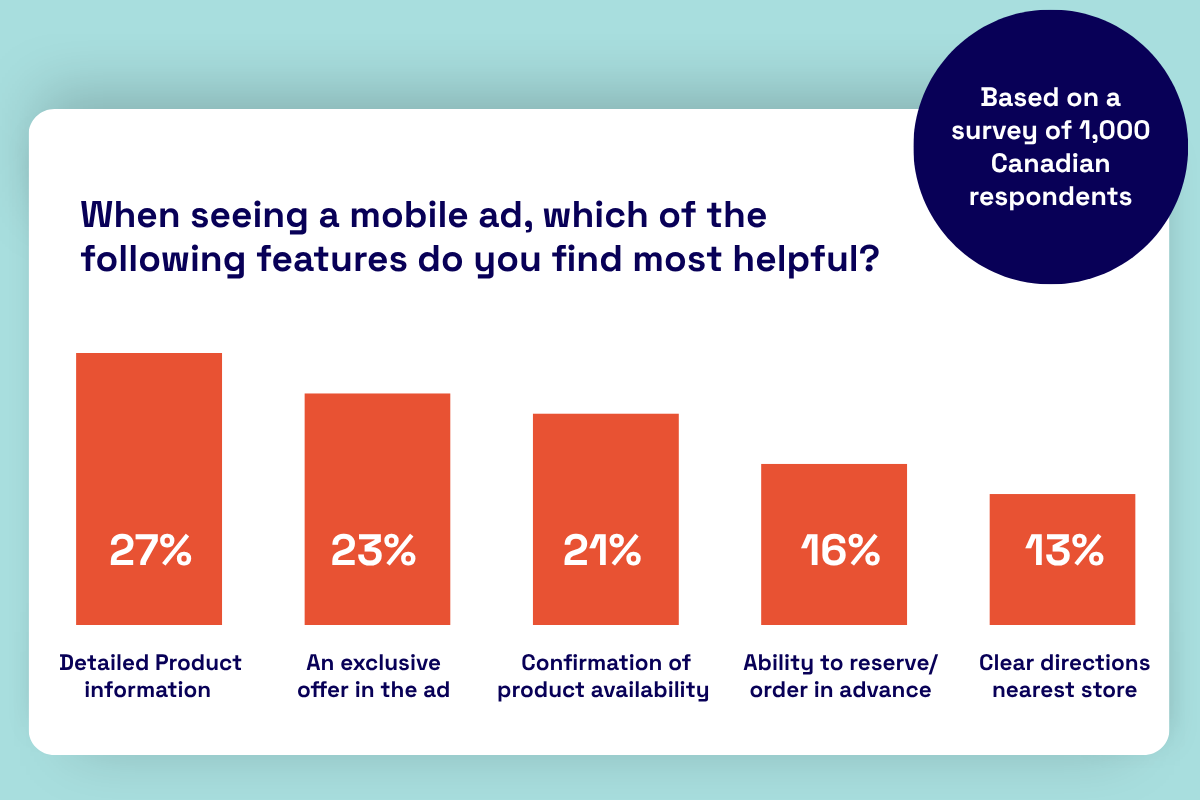
Bar chart titled 'When seeing a mobile ad, which of the following features do you find most helpful?' showing results from 1,000 Canadian respondents. The features are: Detailed Product information 27%, An exclusive offer 23%, Confirmation of product availability 21%, Ability to reserve 16%, and Clear directions 13%.

From Insights to Action with Locala

Understanding these trends is the first step. Winning in 2026 requires putting them into action.

The Canadian retail market is complex, but the solution doesn’t have to be. Locala’s platform is designed for this new ‘phygital’ reality. We help you:

  • Connect with real shoppers: Using privacy-first data to understand consumer behavior, online and in-store.
  • Activate your hyperlocal strategy: Delivering personalized, relevant ads to any Canadian market, at scale.
  • Measure what matters: Moving beyond clicks to measure real-world business outcomes, like store visits.

Get the Full 2026 Outlook

These four trends are just the beginning. The full Canadian Retail Barometer provides a deep dive into all 14 trends, critical insights on data protection, and actionable case studies from Canadian leaders.

Download the complete Canadian Barometer report to get all the insights.

[Download Now]

Winning Black Friday 2025 in Canada

Black Friday remains the biggest retail event in Canada, and 2025 is expected to set new records. In 2024, Canadian consumers spent an average of $488 on Black Friday, with sales spiking 1,732% compared to a typical Friday. Top spending categories included cosmetics and apparel.

For brands, this represents both opportunity and fierce competition. Discounts alone won’t cut through the noise. Success depends on strategies that connect with the right shoppers, in the right place, at the right time.

Why Consumer Insights Drive Success

To maximize ROI, marketers need to go beyond demographics and uncover real-world consumer behaviors. Data-driven insights help brands:

  • Identify where target shoppers spend time, both online and offline.
  • Understand which competitors they also consider.
  • Uncover lifestyle affinities and purchase motivations.

By leveraging tools like Locala’s Audience Explorer, marketers can design personalized Black Friday campaigns that outperform generic mass messaging.

man carrying shopping bags, blue circle

Black Friday Power Shoppers: Who They Are and How to Reach Them

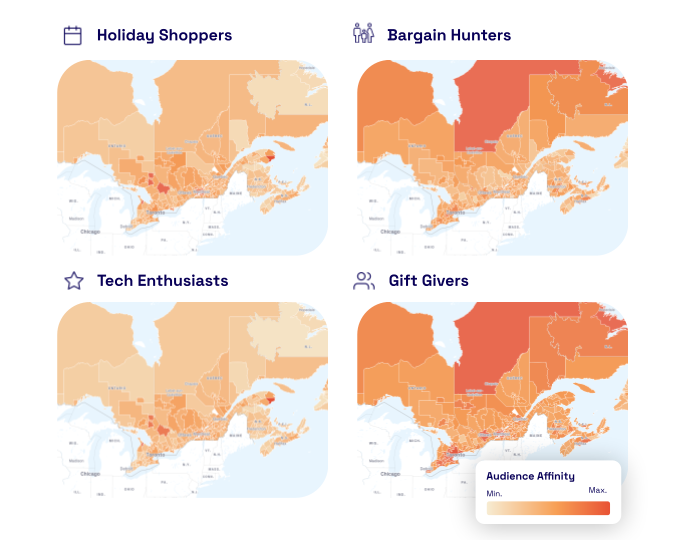
Different types of shoppers dominate Black Friday in Canada. Knowing their motivations is essential to crafting compelling offers and creative.

1. Bargain Hunters: The Deal Seekers

Profile: Aged 18–55, both male and female.
Behavior: Compare prices online and in-store, use coupon apps, follow brands for flash sales, and participate in deal forums.
Best Strategies:

  • Highlight “limited-time” deals in mobile and DOOH ads.
  • Use retargeting to follow them across devices with updated offers.

2. Holiday Shoppers: The Gift Givers

Profile: Aged 25–65, primarily female.
Behavior: Plan ahead, value holiday traditions, subscribe to newsletters, and seek festive deals online and in-store.
Best Strategies:

  • Use warm, holiday-themed creative that highlights gifting moments.
  • Optimize mobile experiences for quick browsing and purchasing.
  • Deliver localized DOOH ads near shopping centers and malls.

3. Tech Enthusiasts

Profile: Early adopters, brand-conscious, often higher-income.
Behavior: Research-driven, eager to test the latest gadgets, motivated by exclusivity and innovation.
Best Strategies:

  • Create interactive in-ad video experiences to showcase product features.
  • Use geo-targeted campaigns around tech stores.
  • Highlight innovation and limited editions to build urgency.

holiday shoppers, bargain hunters, gift givers, tech enthusiasts, Canada

By tailoring messaging and offers to each segment, brands can increase conversion rates and maximize ad spend efficiency.

How Locala Powers Black Friday Success

Locala helps marketers connect with shoppers by turning real-world behavior into actionable strategies. Using Insights AI, Locala analyzes store-level behavior to craft campaigns that resonate with shoppers in specific locations.

With Dynamic Commerce Areas, brands can pinpoint high-affinity consumers, uncover foot traffic trends, and identify cross-visitation patterns to separate loyal customers from switchers and new prospects.

To take this further, Locala’s Omni Planner unites online and offline data in one platform, making it easier to view the full consumer journey, build hyper-local media plans, and benchmark performance against competitors. From planning to activation, Omni Planner transforms insights into action quickly and effectively.

Omni-Channel Campaigns: The Winning Mix

Consumers don’t shop in silos, and neither should your marketing. A strong Black Friday 2025 strategy in Canada requires a balanced mix of channels:

  • DOOH: Broad reach, especially in high-traffic areas like shopping centers, capturing attention at moments of purchase intent.
  • Mobile & Desktop Display: Precision targeting with localized creative. Interactive formats like swipeable carousels and in-ad video drive higher engagement.


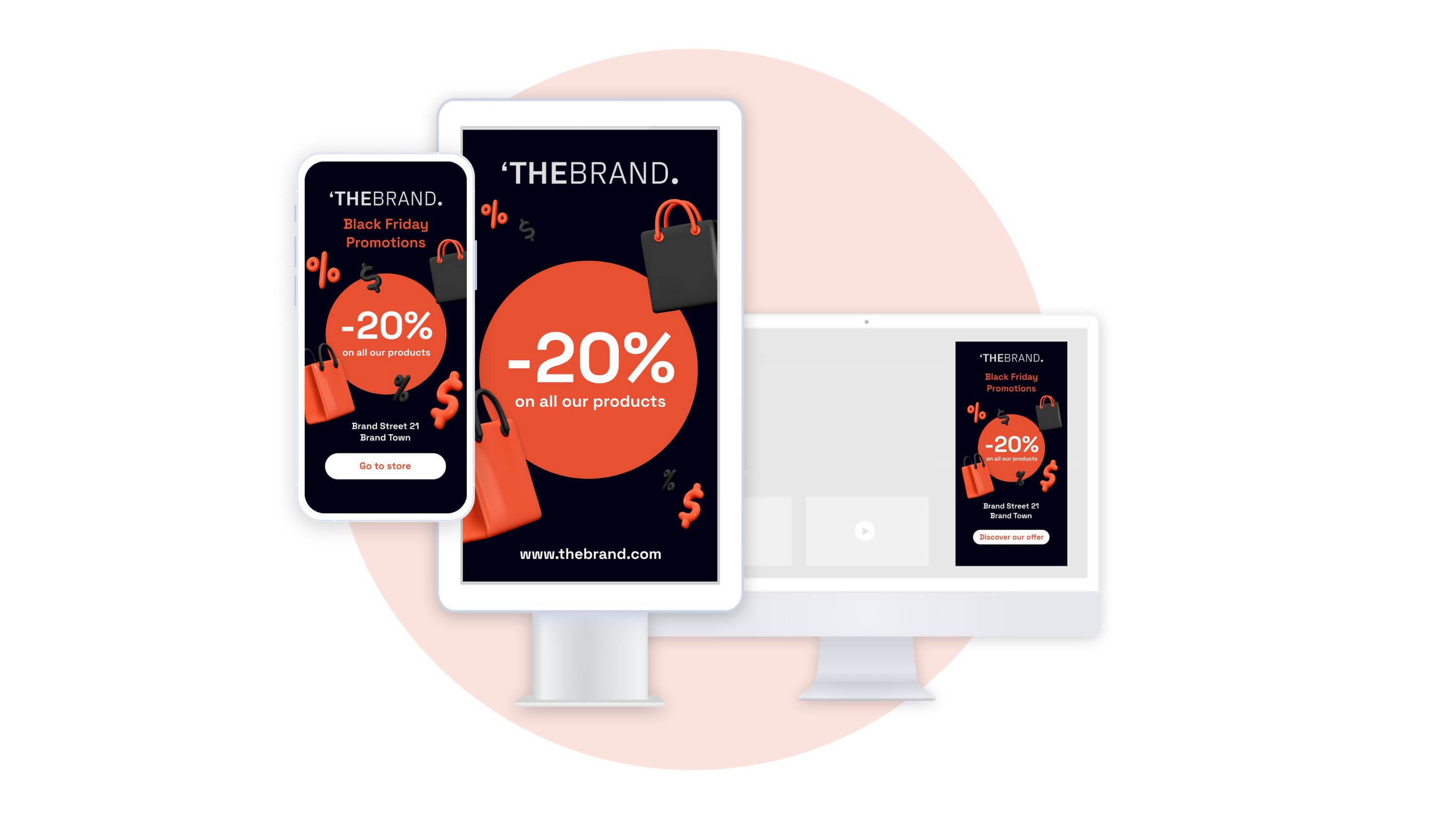
desktop, mobile, DOOH Black Friday creative


Locala helps brands identify their winning mix with AI-driven tools like the Panel Optimizer, which transforms DOOH planning with real-time scoring. By knowing who your audience is, where they will be, and when to reach them, you maximize impact while minimizing wasted spend.

How Locala Boosted Site Visits for a Tech Retailer

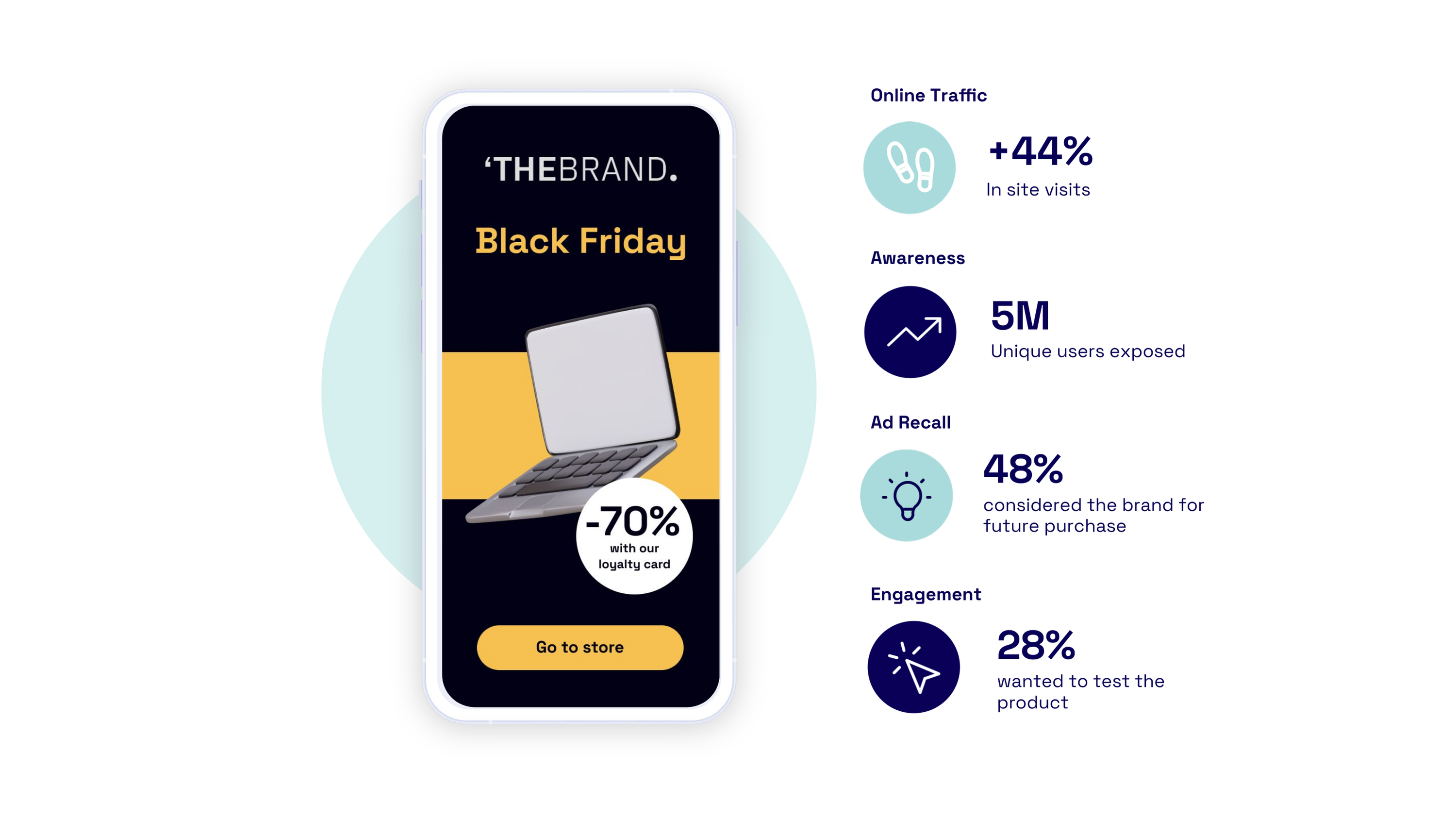
A leading European tech retailer used this omni-channel approach to drive e-commerce sales during Black Friday. By blending DOOH, display, and SMS with real-time adjustments, they achieved:

Tech Retailer case study, mock up mobile, 44% boost in online traffic, 5M awareness, 48% ad recall, 28% engagement

The takeaway: Omni-channel campaigns rooted in local data drive tangible results.

Ready to Win Black Friday 2025?

This Black Friday, the Canadian brands that harness localized insights, omni-channel execution, and data-driven optimization will rise above the noise and achieve stronger results.

Want to see how localized strategies can boost your brand? Request a demo today.

Winning Over the Hard-to-Hold Home Shopper in 2025

The Canadian home products market is evolving, and so is the shopper journey. While trust, familiarity, and pricing remain key decision drivers, home products shoppers in 2025 are increasingly open to switching brands. With 30% exploring multiple retailers before making a purchase, marketers need more than just broad appeal—they need local relevance and sharp strategy.

In this blog, we explore how Canadian home brands can engage comparison shoppers, reduce churn, and boost in-store results through data-driven marketing.

Brand-Aware, Not Brand-Loyal

Shoppers tend to be brand-conscious, but not brand-committed. In 2025:

  • 30% of shoppers visit two or more home brands before committing to a purchase.
  • The average buyer browses 1.5 brands during their path to purchase.
  • 14% of store visitors are switch-minded—actively open to a better offer or shopping experience.

These switch-minded shoppers may seem like a minority, but they represent a significant lost opportunity if not addressed. And with loyalty hanging by a thread, one strong competitive message could cause churn.

Why Local Context Matters More Than Ever

Across Canada, from urban Toronto condos to rural Nova Scotia homes, consumer behavior varies widely. National campaigns that ignore local preferences and shopping trends fail to connect at scale.

By tapping into local funnel shifts, brands can optimize their strategy based on regional engagement levels, shopping habits, and audience dynamics. This means customizing:

  • Media delivery timing by province or metro area
  • Creative messaging for specific demographics
  • Audience segments that reflect true local demand
  • Budget allocation tailored to high-potential store zones

Winning Canada’s 14% Switch-Minded Shoppers

Even in a market known for its loyalty, competition is fierce. To win the 14% who are open to switching, brands must stay visible, relevant, and persuasive, especially at the local level.

Here’s how:

  • Prioritize local behavior data in campaign planning.
  • Segment and personalize offers by audience type and region.
  • Test and optimize your strategies continuously.
  • Invest store-by-store to maximize impact where it matters most.

Whether you’re launching a nationwide promotion or revamping local in-store traffic, data-led decisions ensure you don’t just capture interest, you convert it.

High-Value Audiences to Watch in Canada

Canadian home products shoppers are not a monolith. To drive growth, focus on audience segmentation and real behavior patterns. Top-performing groups in 2025 include:

  • DIY Store Weekend Regulars.
  • Furniture Cross-Shoppers
  • Small-Space Décor Upgraders
  • Four-Bedroom-Plus Residents
  • Suburban Family Homeowners

Campaign Results That Speak Volumes

With over 380 campaigns across 30+ brands in 12 markets, Locala knows how to turn data-driven insights into impactful, localized marketing strategies that deliver real results: 

These metrics highlight the impact of precise, audience-first planning backed by localized data and continuous optimization.


Stay Ahead of the Shifting Shopper Landscape

Looking for deeper insights? Explore our latest updates and book a demo to see how Locala empowers brands to drive foot traffic, win new buyers, and retain loyal ones across Canada.

Inside the Decision Journey of Today’s Telco Shopper

In today’s competitive telecom landscape, brand loyalty is no longer a guarantee. While trust and familiarity still matter, Canadian telco shoppers are more curious and comparison-driven than ever. To stay ahead, telco brands must rethink how they reach, engage, and convert high-intent buyers before they switch.

Canadian mobile shoppers aren’t making snap decisions. In 2025, 45% of telco shoppers visit at least two brands before making a purchase, with some exploring three, four, or even more. On average, they visit 1.9 brands during their decision-making journey.

This behavior shift presents a significant risk: 24% of store visitors are switch-minded, actively considering a better offer even after entering a store. That means nearly one in four customers may walk out the door if your offer doesn’t meet their expectations.

Local Preferences Matter More Than Ever

Not all markets behave the same way, and telco marketing strategies shouldn’t treat them the same way. Even something as simple as the number of brands shoppers explore varies by region, meaning a national approach may miss local nuances.

To win these undecided buyers, it’s essential to:

  • Customize your media mix and messaging by location
  • Use local insights to optimize creative, targeting, and delivery
  • Let store-level shopper data guide budget allocation and planning

Tap Into High-Intent Audiences

The best way to combat churn is to intercept shoppers before they make their final decision. That starts with understanding who they are and what drives them. High-potential audiences for telco brands include:

  • Competitor-Store Switchers 
  • Device-Upgrade Seekers 
  • Budget-Savvy Students 
  • Family-Plan Decision Makers 
  • Frequent Travellers 

With localized consumer insights, you can tailor campaigns that speak directly to these groups at the right time and place.

Proven Tactics That Drive Performance

From planning to performance, Locala’s AI insights and localized tools help telco brands capture high-intent shoppers before they switch. 

In a market where loyalty is fragile and shoppers are increasingly brand-curious, the brands that adapt fastest will win the most. Relying on generic strategies won’t cut it anymore. Instead, localized intelligence and audience-first planning are the keys to converting high-intent shoppers before your competitors do.

Want Deeper Insights?

Explore how data-driven local strategies can transform your next campaign. Read more about our latest updates and book a demo today. 

Reaching Today’s Car Shopper in Motion

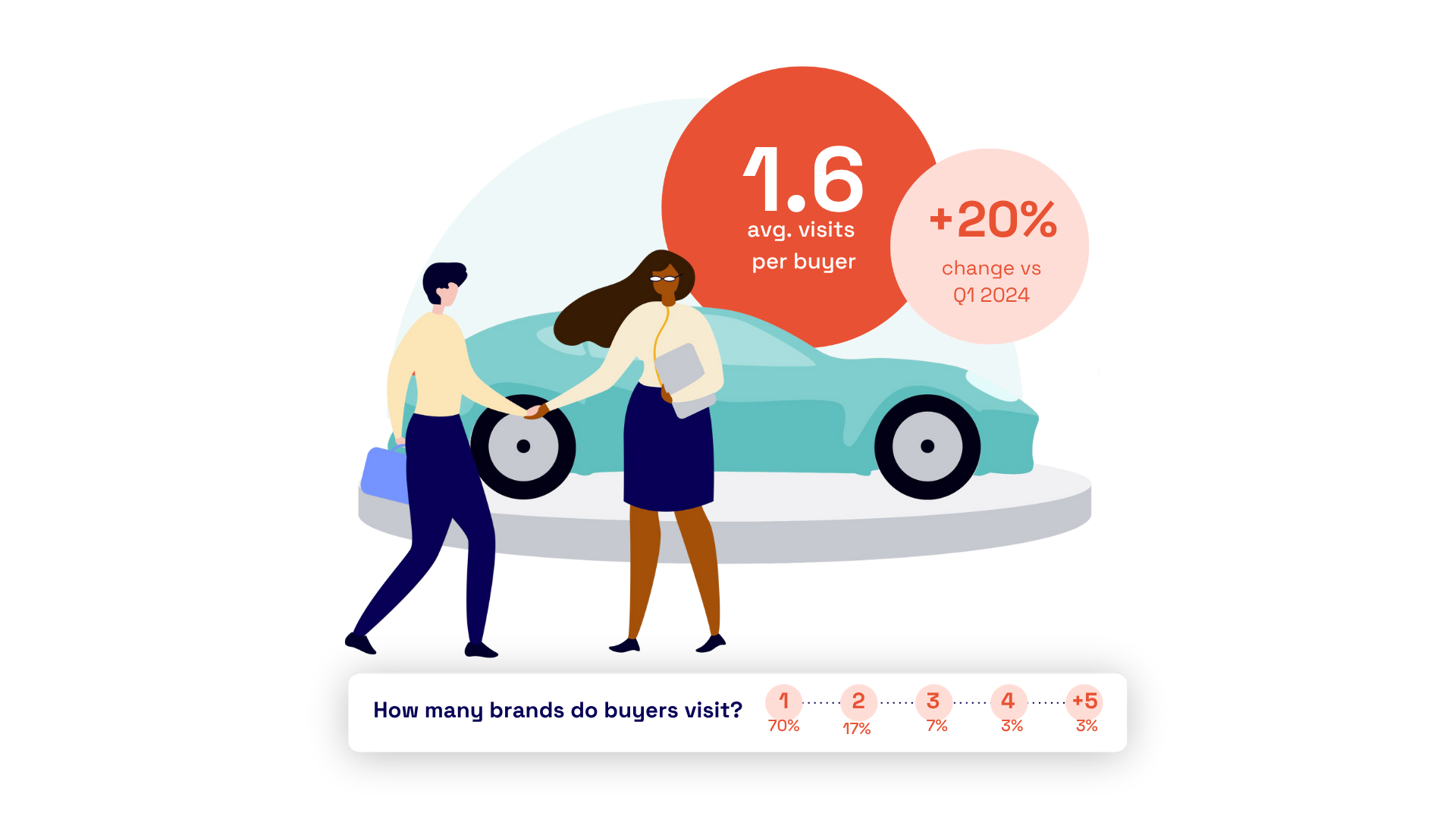
Car prices have reached record highs in 2025, prompting buyers to compare multiple brands before making a decision. Shoppers are back in motion, with the average car buyer visiting 1.6 dealerships, up 20% from Q1 2024.

With higher intent and less brand loyalty, today’s car buyers are more selective, more open to influence, and more curious than ever. For automotive marketers, this shift brings both challenges and opportunities.

This blog explores key trends in Canadian auto buyer behavior, how to meet today’s car shoppers in motion, and how Locala helps transform insight into results.

The New Buyer Journey: Insights From the Lot

It’s official: showroom-hopping is back.

70% of auto buyers visit at least one other brand before making a decision. Many are checking out 2-3 different dealerships before signing any papers.

This behavior varies widely across the country. Dealership visits differ significantly between provinces and even cities, which makes localized strategies essential. What works in Toronto may not resonate in Calgary or Vancouver. Flexibility and local relevance are key.

As buyers move closer to making a purchase, they become especially open to influence. Brands that show up with the right message at the right moment have a real opportunity to tip the scales

Even shoppers who enter the funnel with strong intent are often undecided until the very end. That’s a big opportunity for brands that remain visible, locally relevant, and well-timed in their messaging.

What This Means for Automotive Advertisers

It’s time to move beyond a one-size-fits-all approach. The most effective campaigns today blend broad reach with local agility. Brands need to meet buyers where they are, both geographically and behaviorally. Here are three strategies to stay ahead:

  1. Adapt to regional differences

Buyer behavior can shift dramatically between cities or even neighborhoods. Tailoring creative, targeting, and media spend by region helps increase relevance and campaign performance.

  1. Leverage real-time behavioral data

Knowing when and where shoppers are actively researching helps you deliver your message when intent is high and decisions are near.

  1. Plan around high-impact audience segments

Use audience-first planning to reach high-potential buyer groups. In Canada, top segments include:

  • Adventurous Parents (Reach: 8M)
  • Maintenance Clients (Reach: 800K)
  • In-Market EV Shoppers (Reach: 1M)
  • First-Time Buyers (Reach: 3M)

These groups aren’t just marketing personas. They represent real, actionable audiences that are actively engaging in the market.

How Locala Helps Automotive Brands Win 

Locala removes the guesswork from automotive marketing by turning data into action. With over a decade of experience and a track record of more than 2,000 campaigns across 70 auto brands in 40 markets, we bring proven expertise to every partnership..

Our AI-powered Planning Tool combines location behavior data with audience insights to build smarter, more localized strategies that drive measurable results.

Here’s what sets us apart:

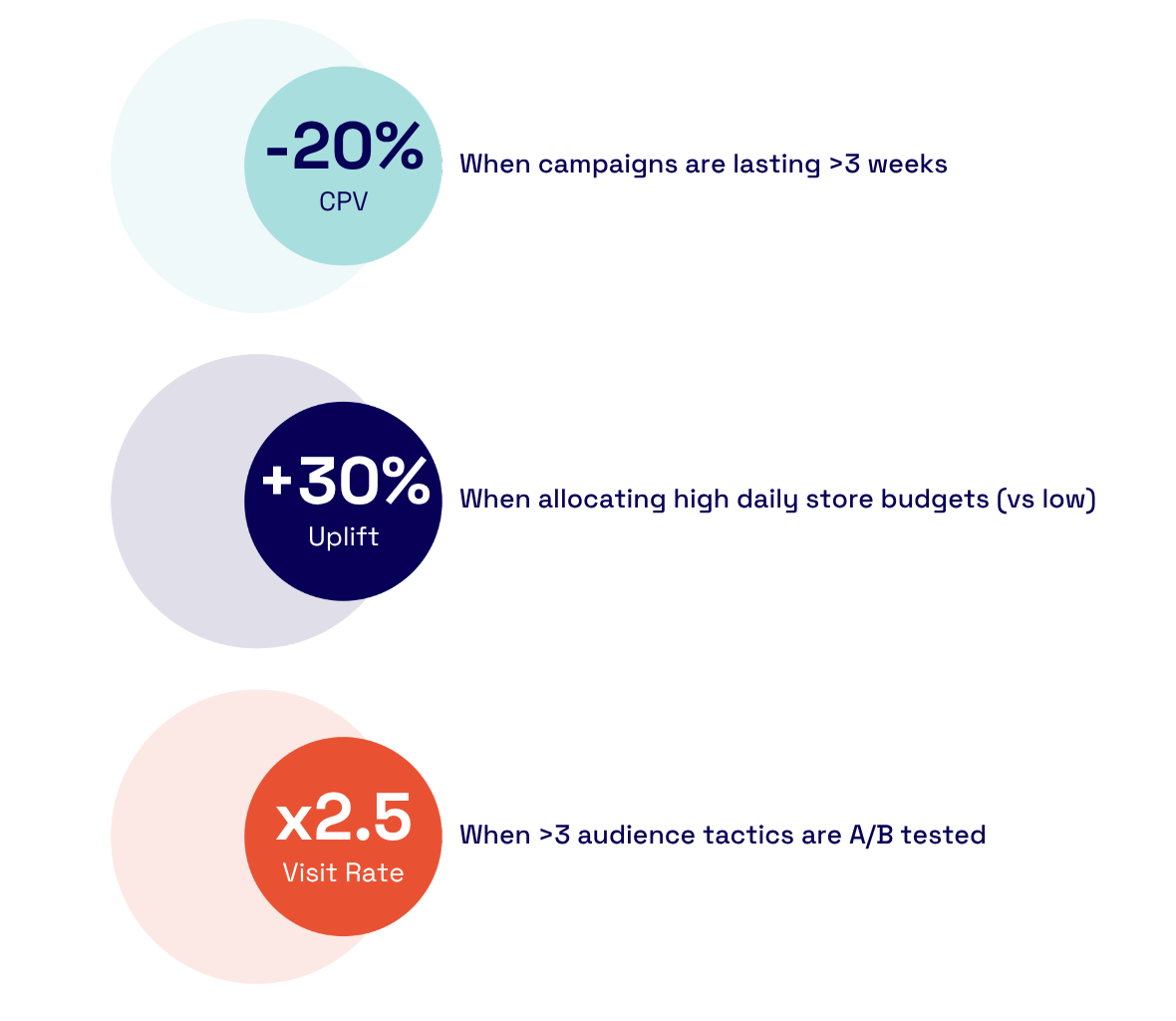
  • Smarter audience testing drives performance.
    We’ve seen visit rates increase by 2.5x when campaigns test multiple audience tactics, proving that relevance pays off.
  • Strategic budget optimization delivers impact.
    Optimizing store-level budgets daily leads to a 30% uplift in performance, ensuring spend goes where it matters most.
  • Sustained campaigns = better results.
    Campaigns that run for more than three weeks see up to a 20% drop in cost per visit, showing the value of consistency over time.

At Locala, planning isn’t just theoretical. It’s actionable, measurable, and built to win in today’s complex automotive landscape.

Car Buyers Are Moving Fast. Is Your Strategy Keeping Up?

Car buyers in 2025 are comparison-shopping, visiting multiple dealerships, and open to being influenced, especially when brands speak their language and meet them locally.

To reach and convert these shoppers, automotive brands need to be faster, smarter, and more precise. Locala makes that possible by turning local buyer behavior into real-time, scalable strategies.

Discover how Locala can accelerate your auto campaigns. Book a demo today.

How Curiosity and Convenience Are Driving Grocery Behavior in 2025

In 2025, the grocery shopping landscape is shifting fast, with shoppers making more frequent trips while showing less brand loyalty. As foot traffic increases and consumers explore more options, grocery brands are facing new challenges but also valuable new opportunities. To stay competitive, it’s essential to understand how shopper behavior is evolving and adapt strategies accordingly.

What the Data Tells Us About Today’s Grocery Shoppers

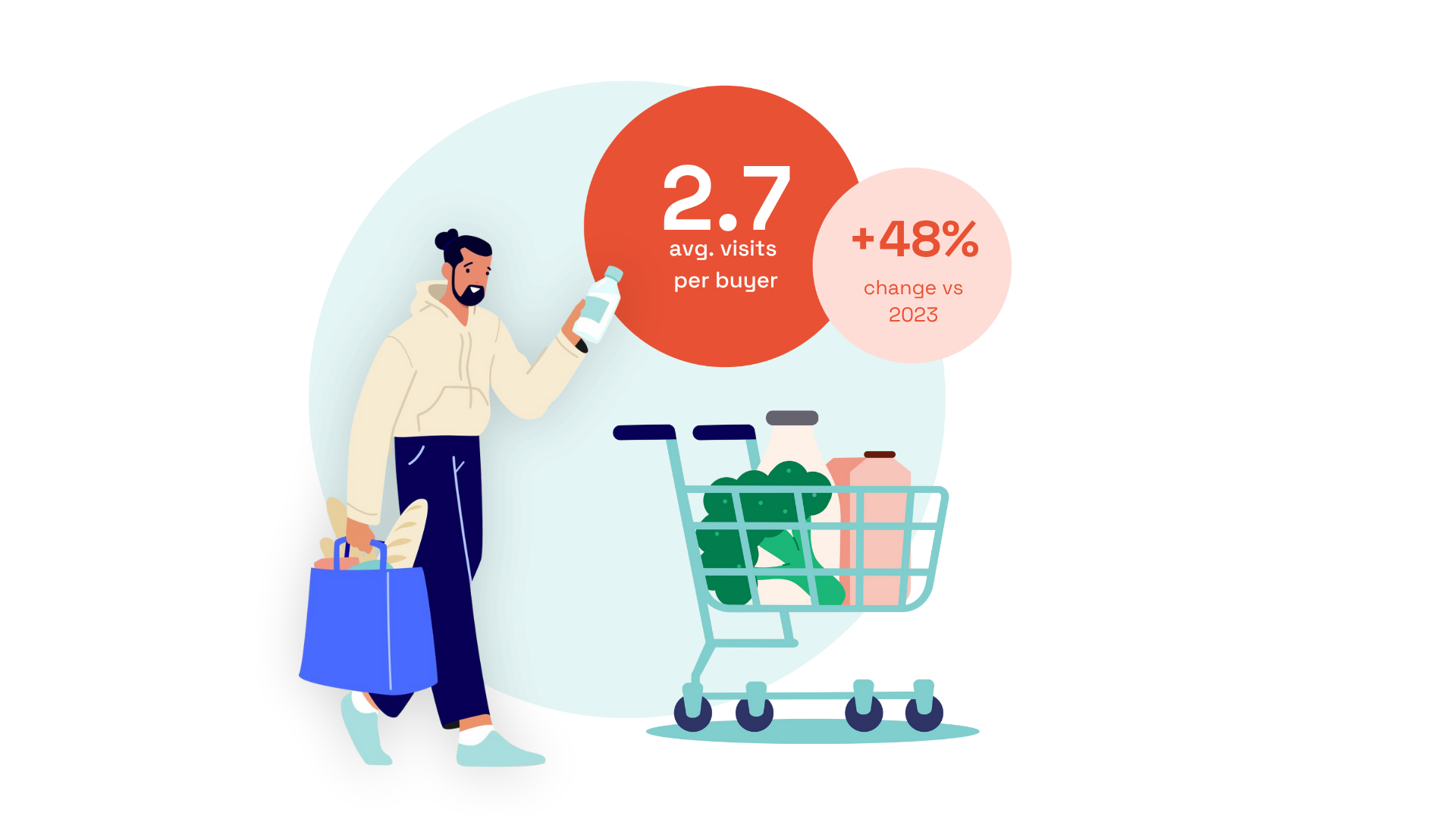
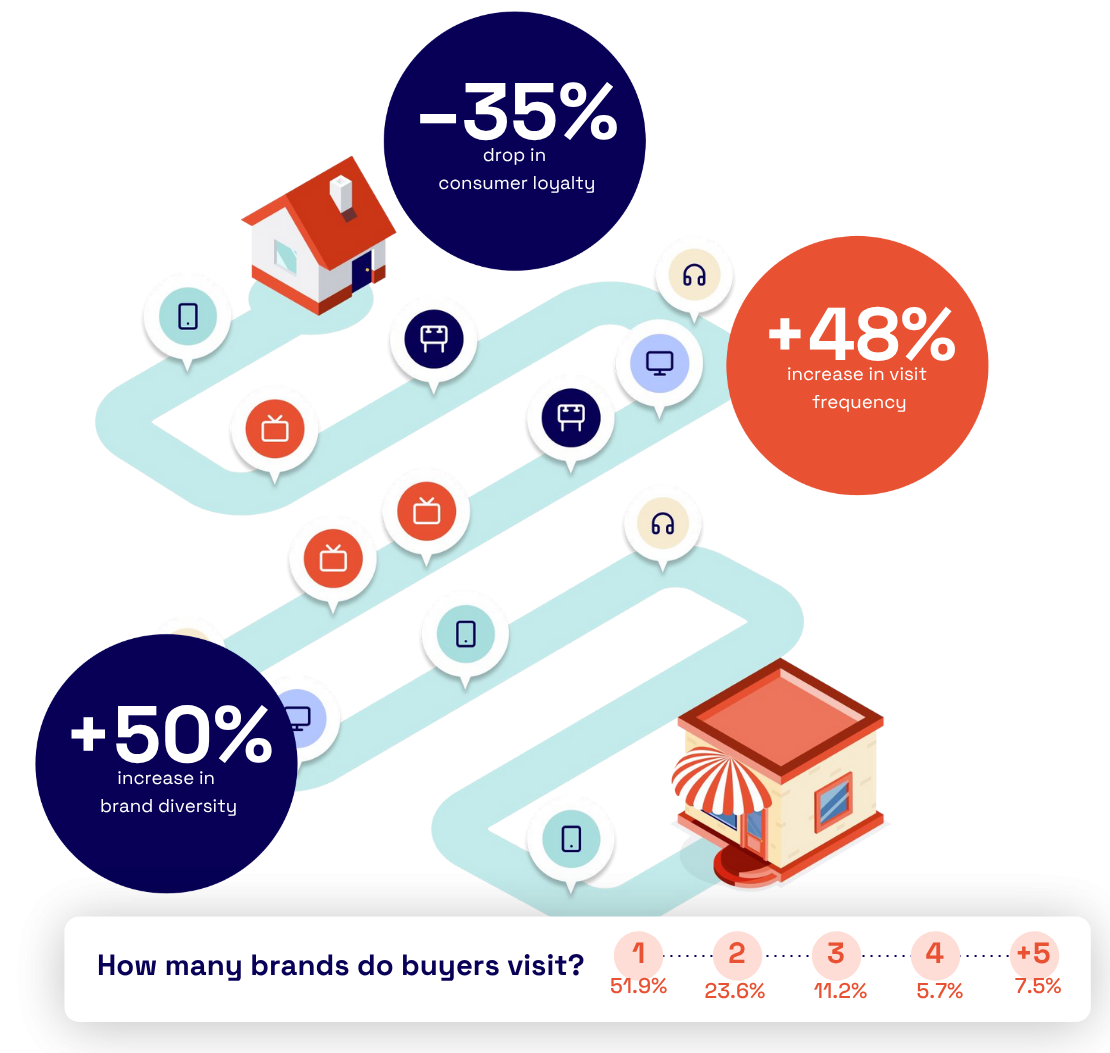
The “one brand, one basket” model is becoming outdated. Canadian shoppers are averaging 2.7 store visits and 2.05 brands per shopper. This is a 48% increase in visit frequency and a 50% rise in the number of brands visited compared to the previous year.

At the same time, brand loyalty is down 35%, revealing that more consumers are actively exploring alternatives. They’re browsing based on convenience, value, and curiosity, not habit. While loyalty hasn’t disappeared, it can no longer be taken for granted. With shoppers becoming more dynamic and open, grocery brands have more opportunities to connect if they meet them in the right places, at the right times.


Why This Matters for Grocery Marketers

The changes in shopper behavior mean precision in marketing is more important than ever. National messaging may provide scale, but it often misses the mark without local insight. Understanding regional consumer patterns at the local level is crucial for grocery brands to create targeted campaigns that resonate with local grocery shoppers. For grocery advertisers, understanding and activating key shopper segments can provide a major edge.

Key Shopper Segments to Target

  • Price-Conscious Shoppers (Reach: 2M)
    These shoppers are highly responsive to promotions and value messaging.
  • Family Shoppers (Reach: 22M)
    They are shopping with routines in mind and often plan around weekly needs.
  • Routine Grocery Shoppers (Reach: 8M)
    Consistency is key for these consumers—until a better offer grabs their attention.
  • Young Consumers Under 30 (Reach: 13M)
    Digitally connected and brand-curious, they’re driving new behaviors in-store and online.

Targeting these segments helps brands build loyalty and expand their reach. Is your campaign strategy evolving to meet the demands of today’s mobile, brand-curious shoppers?

How Locala Powers Grocery Retail Success

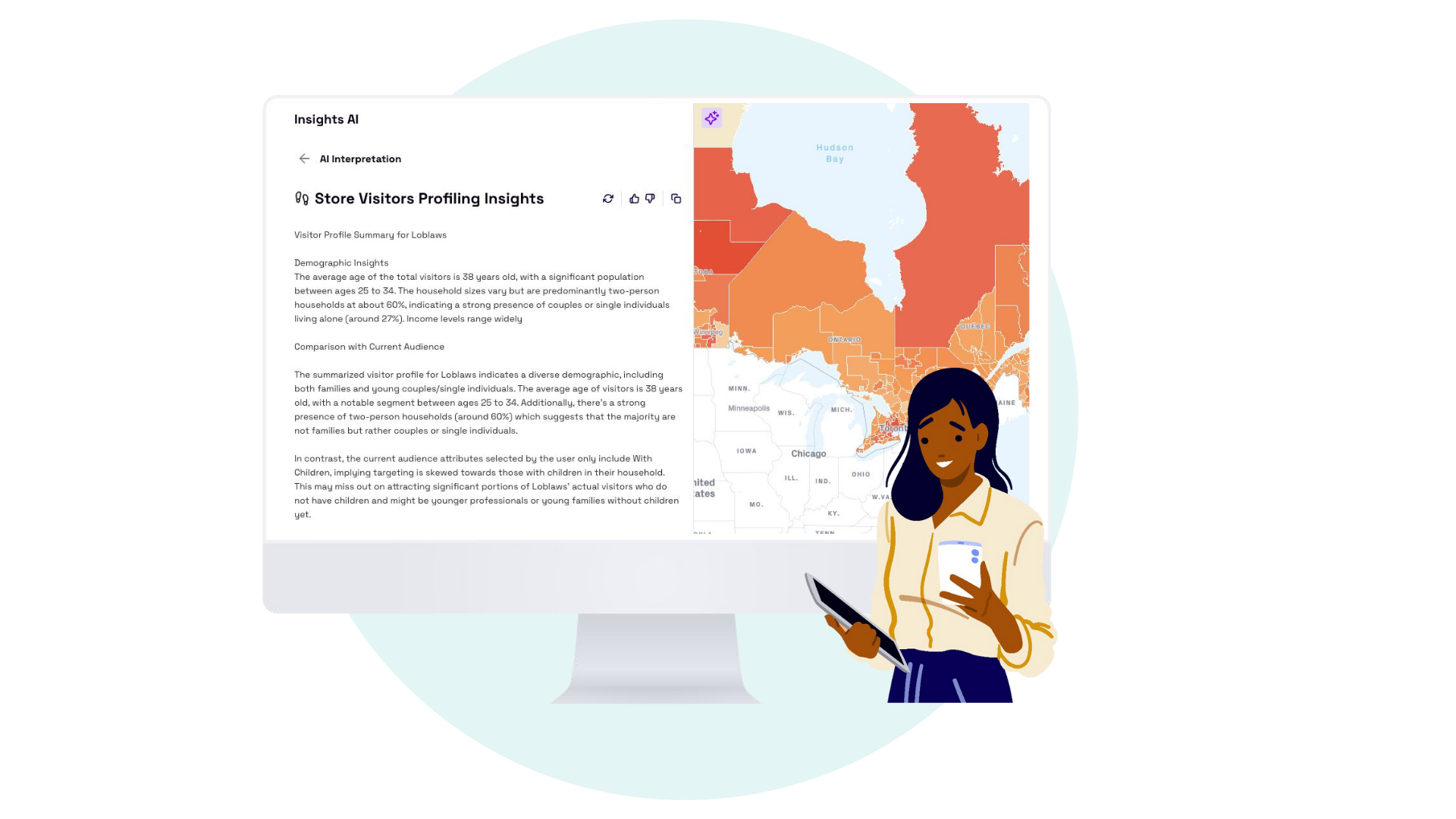
Locala helps grocery advertisers connect with shoppers by turning real-world behavior into actionable strategies. Using Insights AI, we analyze store-level behavior to craft campaigns that resonate with shoppers in specific locations. This behavior-first approach helps brands align their methods with actual shopper trends.

Proven Campaign Tactics That Drive Results:

+24% visit rate when campaigns run longer than 3 weeks.

-25%  CPIV (cost per incremental visit) when testing 3+ audience tactics.

+26% uplift with media investments over €50,000.

Locala’s data-driven approach has already powered over 400 successful campaigns across six markets for 25 grocery brands. Our market-tested methods ensure measurable results that drive store traffic and boost brand loyalty. 

Loyalty Is Changing, but Opportunity Is Growing

Although brand loyalty is evolving, the increase in store visits and brand exploration indicates that shoppers are ready to be influenced. Localized activation gives brands a significant advantage in capturing and retaining customer attention. By adapting in real time, brands can drive traffic and foster lasting loyalty.

Ready to turn grocery traffic into brand traction? Discover how Locala helps you reach shoppers when and where it matters most. Book a demo today.

How to Stay Top-of-Mind When Fast Food Loyalty Is on the Decline

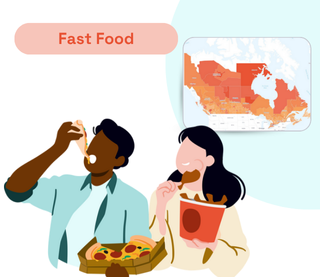
In Canada, fast food is experiencing a fundamental shift. As consumer behavior evolves, fast food brands are rethinking how they engage and retain their customers. With convenience and curiosity driving more frequent visits to a wider range of chains, brand loyalty is no longer a guarantee. To stay relevant in a highly competitive space, QSRs need to rethink their strategies to stay relevant in a highly competitive market.

Visits Are Up, Loyalty Is Down

Fast food consumers are changing how, when, and where they dine. Recent insights highlight three major behavioral shifts that brands need to pay attention to:

  • 28% increase in visit frequency reflects a growing demand for quick, convenient dining options
  • 36% drop in brand loyalty suggests fewer diners are sticking with a single chain
  • 57% increase in brands visited indicates that customers are actively exploring alternatives

This data points to a more dynamic, less predictable consumer journey. Demand continues to grow while loyalty weakens. Customers still value quick and affordable meals, but they make choices based on local factors such as proximity, promotions, and menu variety.

Why Local Insights Must Shape Your Campaigns

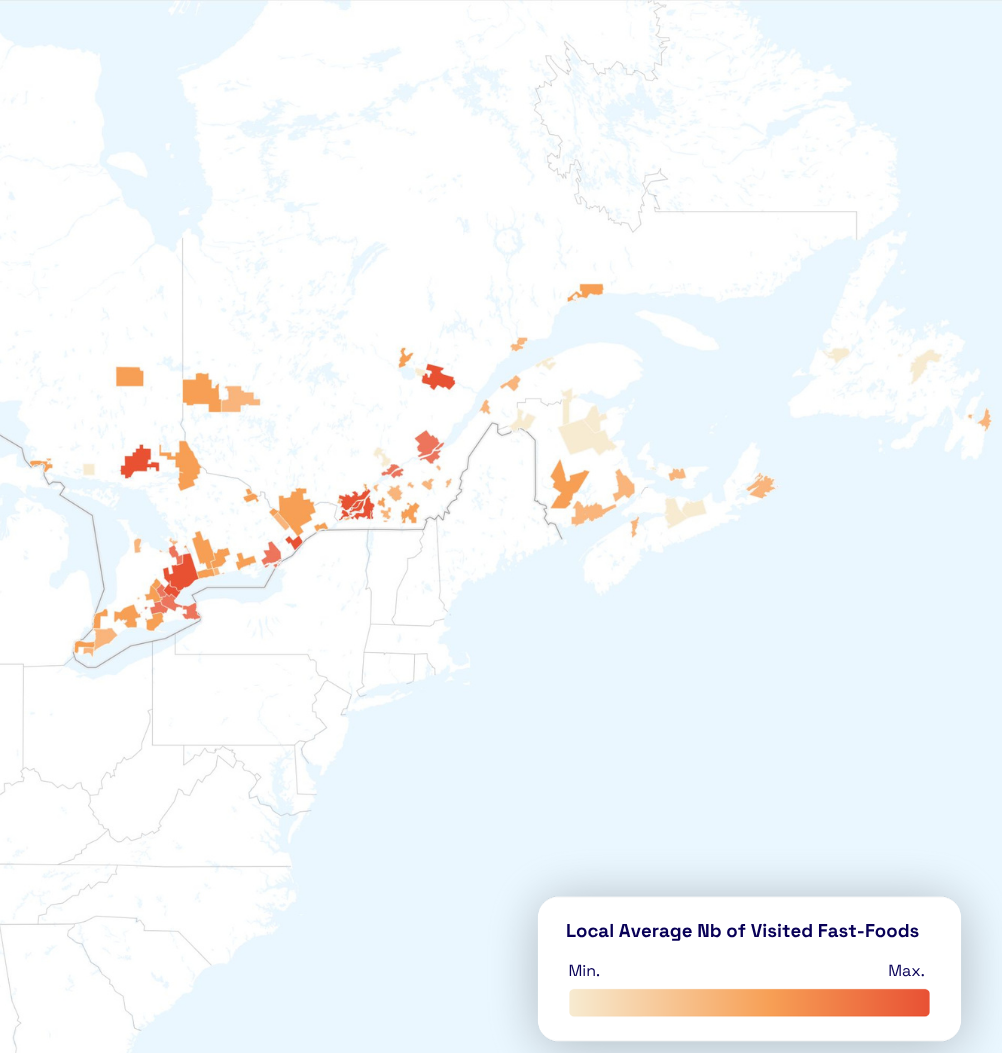
Too often, fast food brands apply one-size-fits-all strategies across the country. However, fast food consumer behavior varies significantly by region. In some areas, diners return to one or two familiar chains. In others, they try three, four, or more options regularly. Applying these local insights to audience targeting, creative messaging, and budget allocation improves relevance and performance.


Meet the Key Audiences

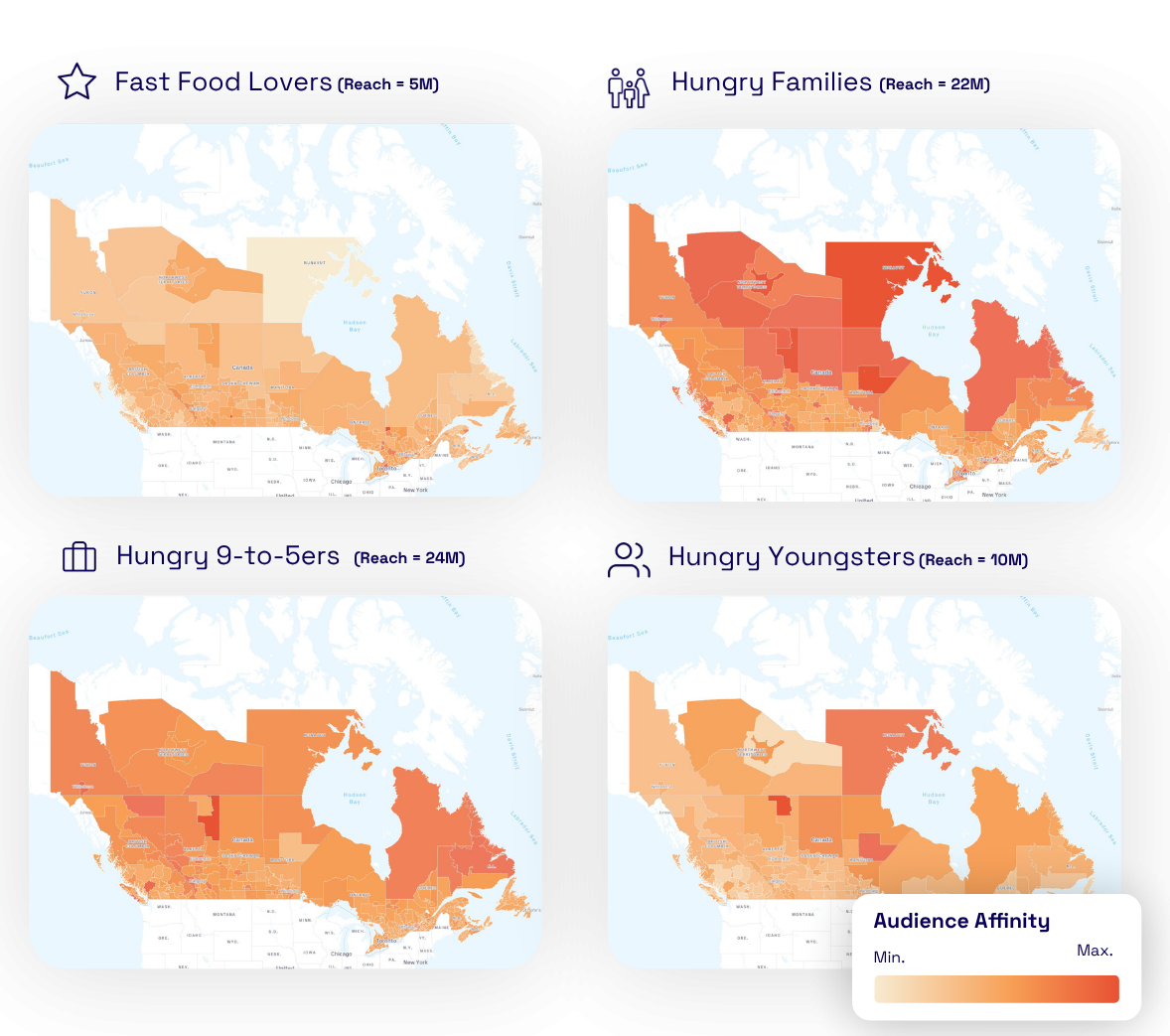
Understanding the makeup of your local market is essential for cutting through the noise. In Canada, four core fast food segments stand out:

  • Hungry 9-to-5ers (Reach: 24M) look for fast, affordable meals during their workday routines
  • Fast Food Lovers (Reach: 5M) dine frequently and are open to trying new offers
  • Hungry Youngsters (Reach: 10M) expect digital ease, flexible hours, and bold flavors
  • Hungry Families (Reach: 22M) prioritize value and convenience when dining with children

By aligning campaign creative and timing with the habits of these audiences, brands can deliver more meaningful engagement and encourage repeat visits.

Personalized Campaigns Drive Stronger Results

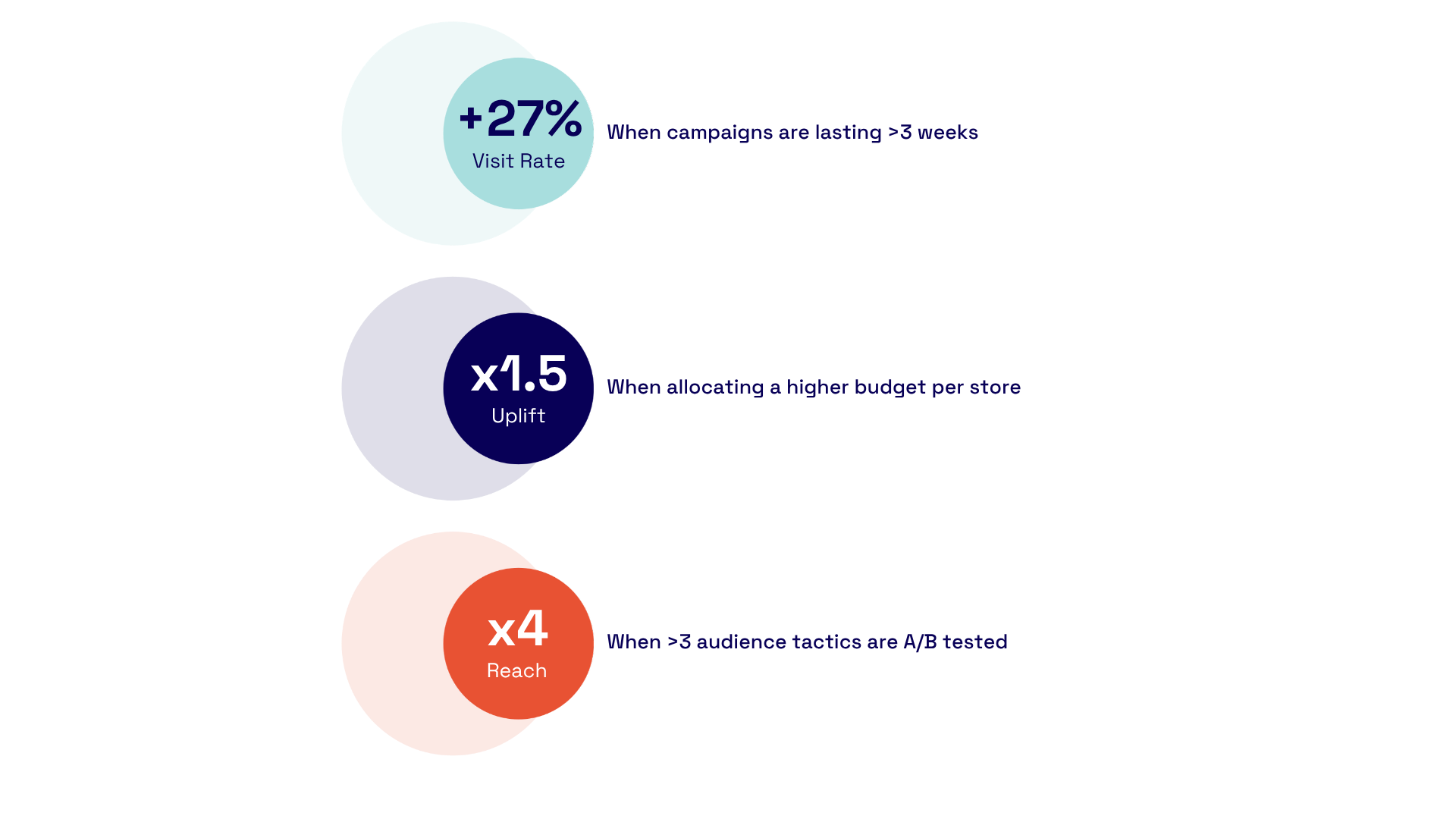
Brands that tailor campaigns to specific consumer segments see significant improvements in engagement, conversion, and loyalty. Personalization resonates more deeply with customers, driving stronger results and better ROI as consumers increasingly expect relevant, individualized experiences. Brands that align with these localized personzliation strategies see clear uplifts: 

Ready to Rebuild Fast Food Loyalty?

The decline in loyalty sends a clear message to QSR brands. Adapting to shifts in fast food consumer behavior with localized insights and personalized campaigns is essential for staying competitive. Explore our success stories and book a demo today.

Ready to get started?

Get in touch